Do you think your property is suffering from rising damp? Are you not sure how to cope with it? Aquafoss are here to help you!
Rising damp is a common feature in many older homes but it is far from a desirable feature when it comes to actually living with it. If you are concerned about damp at your property or you are not sure what to look out for, then you are in the right place.
What Is Rising Damp?
In simple terms, rising damp is the upward movement of moisture through your building materials. Usually entering through your masonry and into the tiny pores throughout your home, the moisture is drawn from the ground and into any space possible, mainly your foundations.
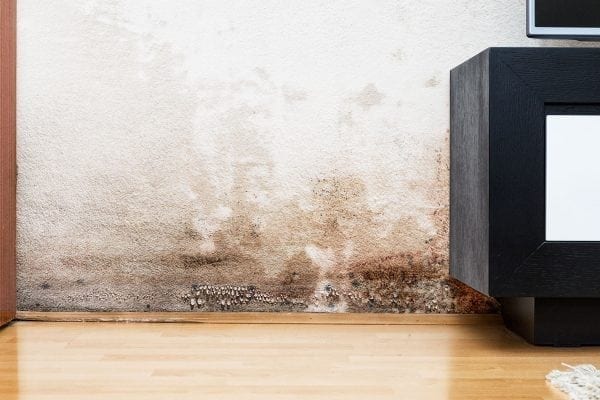
Although rising damp is common, it accounts for only a small amount of damp issues throughout the UK as many homeowners are often mislead and misinformed when it comes to remedial work and prevention. According to Citizens Advice, rising damp “is more common in older properties” and generally effects “the lower part of the ground floor of a property up to the height of about one metre”.
How Does Rising Damp Occur?
Rising damp often occurs from three very simple and obvious factors. Whether it be failure of your DPC (Damp Proof Coursing), raised external ground levels effecting the drainage of excess water or splashing from leaking down pipes, you can often easily repair the problems fast.
Aquafoss carry out various remedial work and can offer professional advice for repairs as an active environmental building preservation company.
If your DPC is damaged, outdated or poorly performing, the barrier that was first created to prevent damp entering through the walls has failed and will allow damp and mould straight into your building.
DPC has been used for many years now and has been known to be created from bitumen, slates, lead, pitch, asphalt or low absorption bricks and was commonly used throughout the Victorian era.
Check out our rising damp guides right here. Image source – Design Buildings Wiki
Why Is Damp Dangerous?
The damp itself is actually harmless but the problems it brings with it can be life threatening. As well as obvious structural damage because of the moisture, there are major health problems which can occur with any amount of damp in your property.
Common health issues include respiratory dangers and allergies.
With reference to the NHS, damp and mould can have a serious effect on your health and anyone else in the property, especially babies and the elderly. Others effected include:
- Those suffering with eczema
- Those with respiratory problems
- Those with a poor immune system
“Moulds produce allergens (substances that can cause an allergic reaction), irritants and, sometimes, toxic substances. Inhaling or touching mould spores may cause an allergic reaction, such as sneezing, a runny nose, red eyes and skin rash. Moulds can also cause asthma attacks”, NHS Choices.
Signs and Symptoms to Look Out For
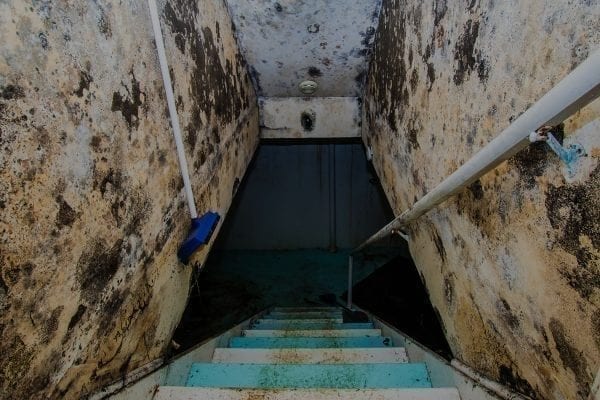
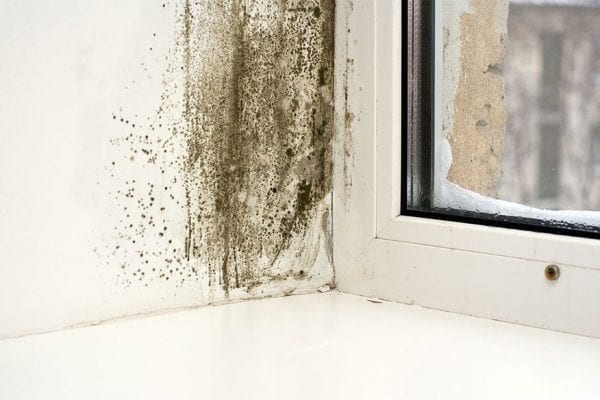
The most common signs and symptoms to look out for are obviously the visible ones that you can see with the naked eye. You don’t need to be an expert to notice mould spores on your interior walls, neither do you have to be an expert to smell the mould throughout your home.
Other signs and symptoms include:
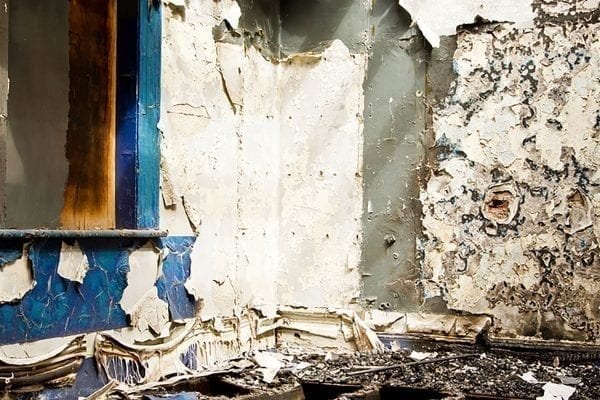
- Rotting wood, window frames and skirting boards
- Lifting wallpaper
- Paint that is lifting from the surface
- Flaky or bubbling plaster
- Damp or wet patches appearing on the walls
- Crumbling mortar between bricks
- Rusting steel and iron fasteners
- White powder or crystals on the surface
If you notice any of these signs at your property, call Aquafoss right away to get the remedial services your property needs.
“Patches of mould growth on the wall are indicative of condensation issues, as the salts, which are usually drawn up in the process of capillary action, inhibit the formation of mould spores”, Building Doctor.
Treatment with Aquafoss
Starting with a full property inspection, we are able to decipher where the damp issue is arising from and how we move forward with repairs. We quite often carry out prevention services for many homeowners and also ensure that rising damp is not a recurring problem in the future.
Whether repairs involve DPC, plastering, chemicals or any other form of rising damp repairs, our team are able to provide the necessary repairs for your property, every time.
Get in Touch
Call us today on 01525 374406 to talk to our team about your damp problems or get advice on the next steps to take. We welcome all enquiries and look forward to working with your property!